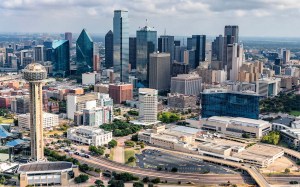
Based on real estate data the Dallas-Fort Worth (DFW) real estate market is undergoing a significant shift from a seller’s market to a more balanced, and in some areas, a buyer’s market. This transition is primarily driven by a surge in housing inventory, which is providing buyers with more options and negotiating power.
Key observations and trends include:
- Inventory Surge: Active listings have seen a dramatic increase, with some reports citing a 53% jump. This is the highest inventory level the DFW area has seen in over a decade, surpassing even the levels during the Great Recession. This surplus is a direct result of more homes coming on the market and a slower pace of sales.
- Cooling Prices: While DFW’s long-term economic fundamentals remain strong, the increased supply and higher interest rates have put downward pressure on home prices. Median and average sales prices have seen a slight decrease year-over-year in many areas, though some luxury and high-demand segments have remained more resilient. This is a clear indicator of a market correction rather than a collapse.
- Buyer Leverage: With more homes to choose from and less competition, buyers have regained significant leverage. Homes are spending more days on the market, and a growing percentage of sales are closing below the original list price. This has brought back concessions and negotiations, such as seller-paid repairs or closing-cost credits, which were nearly nonexistent in the recent past. #BuyerPower #Negotiation
- Segmented Performance: The market is not uniform across the metroplex. While many areas are experiencing a correction, the luxury market continues to perform well, driven by corporate relocations and high-net-worth individuals. Conversely, starter and mid-tier homes are seeing more pronounced price corrections, a trend linked to affordability constraints for many potential buyers.
- Future Outlook: The overall consensus among experts is that DFW will continue to move towards a more balanced state through the rest of 2025. While a full-blown “crash” is not expected due to the area’s robust economy, job growth, and continued in-migration, the trajectory suggests that buyers will maintain their advantage. The market is normalizing to a healthier pace after the frenzied activity of previous years.
-
MY SPECIALTY: EXTRAORDINARY SERVICE
#RealEstateDallas #HomesForSaleDallas #DallasHomes #MarketUpdate #RealEstateTrends #BuyerAgent #HouseHunting #HomeBuying #DreamHome #MovingToDallas #Relocation #SellerAgent #SellingMyHouse #MarketForecast #RealEstateTrends #IncreasedInventory #BuyersMarket #PriceCorrection #HomeValues#MarketSegmentation #DFWRealEstate #Realtor #NorthTexasHomes