Want To Know More About Highland Park?
https://wp.me/p6mb0T-e3m
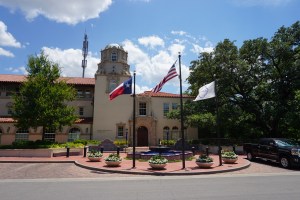
Highland Park, Texas, an affluent enclave of about 8,500 residents nestled within Dallas, boasts a storied past rooted in early 19th-century frontier life, where Texas Rangers camped along Turtle Creek in 1837 after an Indian skirmish, marking the first Anglo-American presence amid Caddo trails that evolved into Preston Road. In 1889, Philadelphia investors acquired the land for $500,000 to craft an exclusive “Philadelphia Place” along the creek, but by 1906, developer John S. Armstrong rebranded it Highland Park, hiring landscape architects Wilbur David Cook and George E. Kessler to design a 2.2-square-mile haven with 20% dedicated to parks, overlooking downtown Dallas from its elevated terrain—famously touted as “ten degrees cooler.” After Armstrong’s 1908 death, his successors incorporated the town in 1913 amid a population of 1,100, adding developments through 1917 and pioneering Highland Park Village in 1931 as America’s first planned outdoor shopping center in a Mediterranean style. Today, in October 2025, this residential “island city”—90% white, with a median household income exceeding $250,000 and per capita at $149,645—remains a bastion of luxury, featuring top-rated schools like Highland Park High, serene parks with new pickleball courts at Prather Park, and community events such as mindful meditation classes resuming October 14 amid town hall closures for holidays. Recent headlines spotlight a $22 million dam reconstruction to downgrade its hazard rating, a forfeited high school soccer title appeal denied in July, and tragic losses of young residents in central Texas floods, underscoring a blend of preserved elegance and modern challenges in this Dallas County gem.
MY SPECIALTY: EXTRAORDINARY SERVICE
|
|
#RealEstateHighlandPark #HomesForSaleHighlandPark #HighlandParkHomes #DFWRealEstate #NorthTexasHomes #MarketUpdate #RealEstateTrends #BuyerAgent #HouseHunting #HomeBuying #DreamHome #MovingToHighlandPark #Relocation #SellerAgent #SellingMyHouse#HighlandParkTX #TexasPride #HistoryMeetsModern #DFWAdventures#HighlandParkLuxury #DallasRealEstate #SellersMarketAdvantage #TopDollarDFW #LuxuryHomeSales





 Marie Sells Dallas