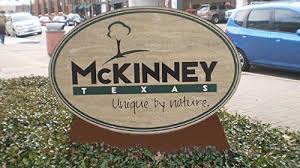
McKinney, Texas, stands as a vibrant city in Collin County, serving as the county seat and a key suburb within the Dallas-Fort Worth metroplex, approximately 32 miles north of Dallas. Established in 1848, the city was named in honor of Collin McKinney, a pioneering land surveyor, early settler, and signer of the Texas Declaration of Independence in 1836, who played a pivotal role in authoring legislation to create counties in northern Texas. The area was initially part of Fannin County before Collin County was carved out in 1846, with early settlers from Kentucky, Arkansas, and Tennessee drawn by land grants under colonizers like William S. Peters. In 1849, landowner William Davis donated 120 acres for the townsite, leading to its formal incorporation that year, followed by a second incorporation in 1859.
Prior to the arrival of the railroad, McKinney’s development remained modest, centered on agriculture in the fertile Blackland Prairie soils that supported corn, wheat, and oats production. The transformative arrival of the Houston and Texas Central Railway in 1872, supplemented by the Missouri, Kansas, and Texas Railroad in 1881, elevated McKinney to the principal commercial hub of Collin County, fostering rapid economic expansion. This era saw the proliferation of cotton gins—from one in 1870 to four by 1876—and the establishment of industries such as textile mills, dairies, and garment manufacturing. Infrastructure advancements followed, including the construction of the iconic Old Collin County Courthouse in 1875, which stood as the tallest building in Texas north of San Antonio; the introduction of a telephone exchange and the Collin County National Bank in 1883; and the illumination of streets with electric lights in 1889. By 1913, the city adopted a commission form of government, reflecting its maturing civic structure.
Throughout the 20th century, McKinney transitioned from an agrarian economy to a diversified industrial and manufacturing base post-World War II, while maintaining its role as a regional trade center. The population grew steadily from 15,193 in 1970 to 54,369 by 2000, though it was briefly overshadowed by neighboring Plano. The late 20th and early 21st centuries marked explosive suburbanization, driven by proximity to Dallas and Plano’s tech corridor, with the populace surging to 131,117 in 2010 and 195,308 by the 2020 census—reaching an estimated 213,509 in 2023, positioning McKinney as one of the fastest-growing cities in the United States.
Today, McKinney exemplifies a harmonious blend of preserved heritage and modern vitality, boasting a median household income of $98,317 and an unemployment rate of 3.7% as of 2023. Major employers include Raytheon Intelligence & Space, the McKinney Independent School District, and Collin County government, alongside a robust service sector. The historic downtown district, listed on the National Register of Historic Places, features the meticulously restored 1875 courthouse as its centerpiece and hosts cultural events like the McKinney Farmers Market—ranked the top in the Southwest—and festivals spanning several blocks. Attractions such as the Collin County History Museum, Chestnut Square Historic Village, and the Heard Natural Science Museum underscore the city’s commitment to its past, while diverse neighborhoods, excellent schools, and recreational opportunities contribute to its reputation as an ideal place for families and professionals alike.
MY SPECIALTY: EXTRAORDINARY SERVICE
|
|
#RealEstateMcKinney #HomesForSaleMcKinney #McKinneyHomes #DFWRealEstate #NorthTexasHomes #MarketUpdate #RealEstateTrends #BuyerAgent #HouseHunting #HomeBuying #DreamHome #MovingToMcKinney #Relocation #SellerAgent #SellingMyHouse#McKinneyTX #Texas #TexasHistory #CollinCounty #HistoricMcKinney #DallasSuburb





 Marie Sells Dallas