

Want To Know More About Murphy, Texas
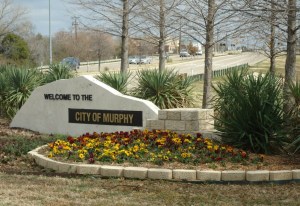
Let’s talk about Murphy, Texas.
So, Murphy is a super charming city tucked away in Collin County, just northeast of Dallas. If you’ve ever driven on Farm to Market Road 544, you’ve probably passed through it. Today, it’s known as this peaceful, family-friendly “bedroom community” with top-notch schools and a great quality of life. But it wasn’t always a bustling suburb. It has a pretty interesting past.
The Olden Days: A Little Farm Town
Back in the mid-1800s, this area was just open land, part of a big land grant program called Peter’s Colony. People were moving in, looking to start a new life with the promise of fertile soil and plenty of space. One of the early families to settle there were the McMillens, who came from Arkansas around 1846. Their settlement became known as “Old Decatur.”
Then, a few years later, the William and Dorothy Murphy family arrived, and they settled on a creek that became known as Maxwell Creek. The small community that grew up around them was often called “Maxwell” or “Maxwell’s Branch.”
The big turning point came in 1888 when the railroad, the St. Louis Southwestern Railway, decided to build a line through the area. A guy named William Murphy, who was one of the early settlers, generously donated the land for the train depot and the tracks. As a thank you, the residents decided to rename their town “Murphy.” And that’s how the city got its name!
For a long time, Murphy was a small, quiet farming town. The railroad was a lifeline, used to ship out local crops like cotton, corn, and onions. The town’s population was never huge, and it had a classic small-town feel.
Tough Times and a Slowdown
Like a lot of rural towns, Murphy faced some hard times in the mid-20th century. The Great Depression hit, farming became more mechanized, and people started moving to the bigger cities like Dallas for job opportunities. By the 1950s, the population had dwindled to just over a hundred people. The local school and post office even closed down. For a while, it seemed like Murphy might just fade away into history.
The Suburban Boom and Modern Murphy
But things changed dramatically in the 1970s and 80s. The Dallas-Fort Worth metroplex was exploding, and suburbs like Plano and Richardson were growing like crazy. As those cities got more crowded and expensive, people started looking for a place that offered a little more space and a quieter lifestyle, but was still close to the action.
Murphy was the perfect fit. Its location—just a stone’s throw from Plano and Richardson—made it an ideal place for commuters. People started buying up the old farms to build new homes, and the population skyrocketed. In 1970, there were only 136 residents. By 2000, that number was over 3,000, and it’s continued to grow rapidly since then. The opening of the President George Bush Turnpike in 2000 made it even easier to get to the rest of the metroplex, and that’s when things really took off.
Today, Murphy is a vibrant, thriving community. You’ll find beautiful parks, a bustling municipal complex, and a great sense of community. The city has done a great job of preserving its heritage, too. For instance, the historic Old Murphy Schoolhouse, which was built in 1938 as a WPA project, has been renovated and now serves as a community center, a nice reminder of the town’s humble beginnings. You can also still see some of the pioneer family cemeteries and the First Baptist Church of Murphy, which was built in 1901.
So, while it’s a modern suburb today, Murphy definitely hasn’t forgotten its past as a sleepy farm town.
-
MY SPECIALTY: EXTRAORDINARY SERVICE
#MurphyTX #RealEstateMurphy#HomesForSalesMurphy#DFWRealEstate #NorthTexasHomes #RealEstateTrends #Realtor #RealEstateAgent #BuyerAgent #HouseHunting #HomeBuying #SellerAgent #ListingAgent #SellingMyHouse



 Marie Sells Dallas