

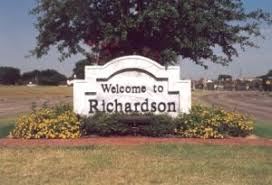
Richardson, Texas, is one of those places that feels like a natural extension of Dallas, but it’s got its own story, its own identity. It didn’t just pop up out of nowhere; it’s a place built on a foundation of agriculture, railroads, and, later on, technology.
From Farm Town to “The Telecom Corridor”
Back in the 1840s, this area was mostly just open land. People from places like Kentucky and Tennessee started to settle here, drawn by the prospect of farming. A small community called Breckenridge emerged, a little ways from where the city center is today.
But the real turning point for Richardson was the railroad. When the Houston & Texas Central Railway laid its tracks through the area in 1873, they built a depot a little to the northwest of Breckenridge. This new spot became the center of gravity, and they named it “Richardson” after the railroad’s secretary, Alfred S. Richardson. The old town faded, and this new one, with its post office, general store, and depot, began to grow.
For decades, Richardson was a quiet little farm town. Cotton was a big deal here, and the main street was the place where farmers brought their harvests. That all changed in the mid-20th century. After World War II, a wave of people started moving to North Texas, and Richardson was perfectly positioned. The completion of Central Expressway made it easy to get to Dallas, and the town’s population shot up.
Then came the big one: technology. In the 1950s, a company called Collins Radio, and then Texas Instruments, set up shop nearby. That was the start of something huge. Over the years, Richardson became a magnet for high-tech companies, especially in telecommunications. It earned the nickname “The Telecom Corridor” and became a global hub for companies like AT&T, Verizon, and Cisco. The University of Texas at Dallas also set down roots here, creating a strong tie between academics and the corporate world.
What Richardson is Like Today
These days, Richardson is a mature, well-established suburb. It’s a place that’s found a balance between its roots and its modern identity.
A Diverse Community: Richardson is known for being incredibly diverse. You see it in the restaurants, the festivals, and the neighborhoods. It’s a real melting pot of cultures.
The Arts: The city has a surprisingly vibrant arts scene for its size. The Eisemann Center for the Performing Arts brings in everything from Broadway shows to local symphonies, and the city’s festivals, like the Wildflower! Arts & Music Festival, draw big crowds.
Parks and Recreation: Despite all the corporate development, Richardson has a strong commitment to green space. There are parks everywhere, with miles of trails for walking and biking, and it feels like a really family-friendly place.
A Strong Economy: While the “Telecom Corridor” name might not be as widely used as it once was, the tech and insurance industries are still the engine of Richardson’s economy. Major companies like State Farm, Blue Cross Blue Shield, and RealPage have a massive presence here, providing a stable job market.
In short, Richardson is a great example of a suburb that grew up and found its own purpose beyond just being a bedroom community for a bigger city. It’s a place with a clear history and a solid footing in the present.
-
MY SPECIALTY: EXTRAORDINARY SERVICE
#RichardsonTX #RealEstateRichardson #HomesForSalesRichardson #DFWRealEstate #NorthTexasHomes #RealEstateTrends #Realtor #RealEstateAgent #BuyerAgent #HouseHunting #HomeBuying #SellerAgent #ListingAgent #SellingMyHouse



 Marie Sells Dallas