

Irving, Texas is a vibrant and diverse city located in the heart of the Dallas-Fort Worth metroplex. It is a major economic hub, known for its corporate headquarters, and a community with a rich history and a unique blend of urban and suburban living.
History of Irving, TX
The city of Irving’s history began with two railroad surveyors, J. O. Schulze and Otis Brown, who were working for the Chicago, Rock Island & Gulf Railway in the early 1900s. They decided that the area between Dallas and Fort Worth would be an ideal location for a new town.
Founding and Early Years: Schulze and Brown purchased 80 acres of land from the Britain family in 1902. They held a public auction for the first town lots in December 1903. The post office from a nearby settlement was moved to the new town in 1904. The town was officially incorporated on April 14, 1914, with Otis Brown as the first mayor. The name “Irving” is believed to be in honor of author Washington Irving, a favorite of one of the founders’ wives.
From Farming to Suburbia: For its first 40 years, Irving was a small farming community. Farmers grew fruits and vegetables, and the town’s population grew slowly. However, after World War II, a suburban boom began. Irving’s proximity to Dallas and the availability of land made it a prime location for new housing developments. The population exploded from just over 2,600 in 1950 to more than 45,000 in 1960.
The Rise of a Corporate Hub: In the 1970s, Irving’s identity was transformed by two major developments: the opening of Dallas-Fort Worth International Airport (DFW) on the city’s western edge and the creation of Las Colinas, a master-planned community. Las Colinas was designed to be a premier business and residential center, and its success cemented Irving’s status as a major corporate hub. For a time, Irving was also known for being the home of the Dallas Cowboys, who played at Texas Stadium from 1971 until the stadium’s closure in 2008.
Irving Today
Today, Irving is a major city in its own right, known for:
- Economic Strength: Irving-Las Colinas is home to numerous corporate headquarters, including those for five Fortune 500 companies and over 45 Fortune 1000 companies. Major employers include Citi, Verizon, and Microsoft.Cultural Diversity: Irving has a diverse population with a large number of residents from different ethnic backgrounds, including a significant Asian and Hispanic population. This diversity is reflected in the city’s vibrant cultural scene and its many international restaurants and festivals.Arts and Entertainment: The city boasts the Irving Arts Center, a major cultural hub with theaters and galleries, and the Toyota Music Factory, a modern entertainment complex featuring a concert venue, restaurants, and a movie theater.Notable Landmarks:The Mustangs of Las Colinas: This iconic sculpture, located in Williams Square, is one of the world’s largest equestrian sculptures. It features nine bronze mustangs galloping through a stream.
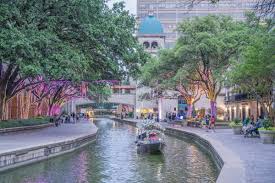
Mandalay Canal Walk: Inspired by the canals of Venice, this picturesque area in Las Colinas features cobblestone walkways, waterfalls, and a variety of shops and restaurants.
The Heritage House: One of Irving’s oldest homes, it was built in 1912 by one of the city’s founders and is now a museum that offers a glimpse into the city’s past.
 Marie Sells Dallas