
Frisco, Texas, located primarily in Collin County with a portion in Denton County, has a rich history rooted in the expansion of transportation routes through North Texas. Its origins trace back to the Shawnee Trail, an important cattle drive route and earlier Native American footpath that later became known as Preston Road. Along this trail, small communities like Lebanon sprang up, serving farmers and ranchers in the mid-1800s.
The pivotal moment in Frisco’s development arrived in 1902 with the construction of the St. Louis-San Francisco Railway. The railway needed periodic watering stops for its steam engines, and due to Lebanon’s higher elevation, a new stop was established approximately four miles west on lower ground. This new train stop attracted residents and businesses from surrounding communities, including many from Lebanon who physically moved their homes and establishments to be closer to the railroad. The budding settlement was initially named Emerson, after Francis Emerson, the landowner, but the U.S. Postal Service rejected the name due to its similarity to another Texas town. In 1904, the community adopted the name “Frisco City,” honoring the St. Louis–San Francisco Railway, a name later shortened to simply Frisco.
For decades, Frisco remained a modest agricultural center, known for its cotton gins and grain elevators. Its population grew slowly, staying below 2,000 residents until the 1980s. However, the late 20th century marked a dramatic shift. As the Dallas-Fort Worth metroplex expanded, Frisco’s strategic location, quality of life, and proactive leadership positioned it for explosive growth. It became one of the fastest-growing cities in the United States, transforming from a quiet farming town into a vibrant, rapidly developing suburb and a significant hub within the DFW area. Efforts to preserve this history are evident in initiatives like the Heritage Association of Frisco and the Frisco Heritage Center, which house historical artifacts and relocate and restore historic buildings to tell the story of the city’s past.
MY SPECIALTY: EXTRAORDINARY SERVICE
|
|
#FriscoTX #FriscoHomesForSale #Realtor #RealEstateAgent #BuyerAgent #HouseHunting #HomeBuying #DreamHome #FirstTimeBuyer #DFWRealEstate #NorthTexasHomes #Dallas #Carrollton #Richardson #Plano #FriscoRealEstate #DFWHomeSales #TexasRealEstate #LuxuryLivingFrisco


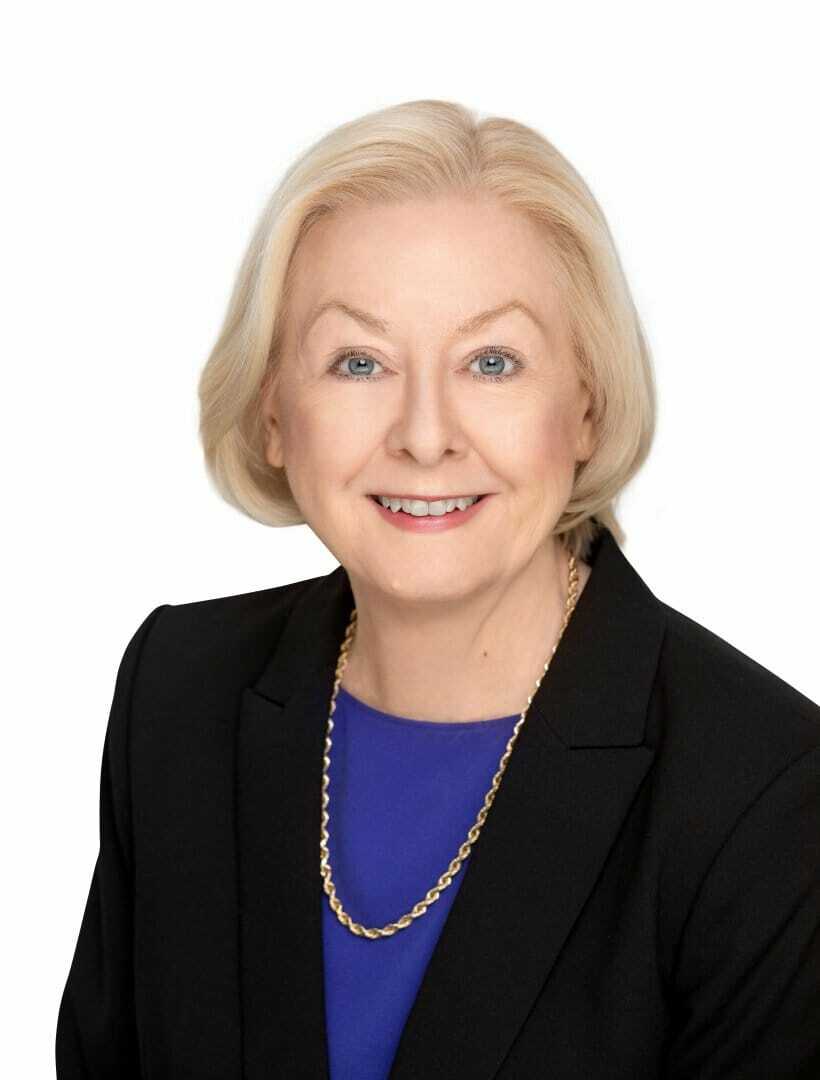


 Marie Sells Dallas